Last minute rubbish clearance in Mottingham what to know
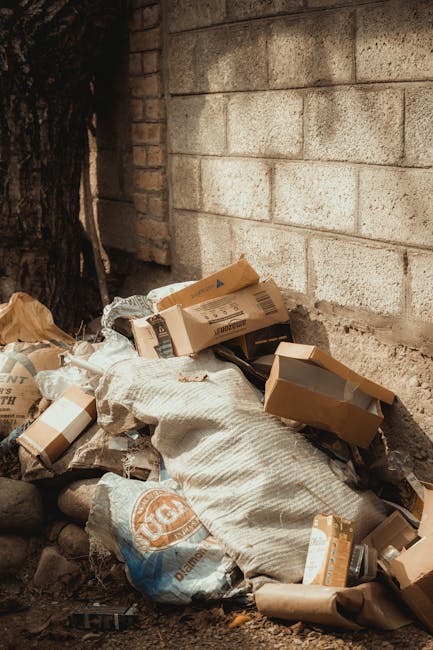
When rubbish has to go quickly, the whole job can feel more urgent than it really is. A hallway fills up, a tenancy deadline sneaks closer, builders leave a pile behind, or the garage suddenly becomes the catch-all for everything you meant to sort out last month. If you're looking into last minute rubbish clearance in Mottingham what to know, the key is not panic. It's preparation, speed, and making sure the clearance is handled properly first time.
This guide walks through how urgent rubbish removal usually works in Mottingham, what to check before you book, which items can complicate things, and how to avoid the usual last-minute headaches. You'll also find a simple checklist, a comparison table, and the practical details people often forget until the van is nearly at the door. Let's make it easier.
Why Last minute rubbish clearance in Mottingham what to know Matters
Urgent rubbish removal is rarely just about "getting rid of stuff". More often, it's about reducing stress at a time when you've already got enough on your plate. Maybe a landlord wants a property emptied, maybe a family room needs clearing before visitors arrive, or maybe that pile of broken furniture is now blocking access to the back door. In a place like Mottingham, where many homes have limited storage and tight driveways, timing and access matter a lot more than people expect.
A quick clearance can save a surprising amount of hassle, but only if you know what to expect. For example, the fastest job is usually the one where the rubbish is already grouped together, access is clear, and nobody is trying to sort a shed, a loft, and a garden all in one afternoon. That sounds obvious, but in real life, it's exactly where rushed jobs go sideways.
There's another reason this topic matters: urgency can tempt people into poor decisions. Some accept the first quote without checking what's included. Others leave out awkward items like paint, fridges, or builder's debris. And sometimes people assume every "rubbish clearance" is the same, when in fact the load type, labour involved, and disposal route can change the whole process.
Expert summary: if you need rubbish cleared at short notice, the best results usually come from a short, clear brief, honest item listing, and a provider that can explain access, loading, and disposal before arriving. Speed helps. Clarity helps more.
If you're comparing related services, it may also help to look at general waste removal options alongside more specific jobs such as house clearance or flat clearance. The right choice depends on what needs shifting and how quickly it has to happen.
How Last minute rubbish clearance in Mottingham what to know Works
In practical terms, urgent rubbish clearance usually follows a simple pattern. You make contact, describe the waste, share photos if needed, get a price or estimate, then arrange a collection window. The collection itself may be a same-day or next-day visit, depending on the workload, vehicle availability, and the type of rubbish involved. Sounds straightforward. Most of the time, it is.
The tricky part is accuracy. If you say "a bit of rubbish" but the job is actually a packed garage, a dismantled wardrobe, and some heavy garden waste, the team may need more time, a different vehicle, or a revised quote. That's not anyone being difficult; it's just the difference between a neat two-man load and a full afternoon's slog.
Here's what usually affects how an urgent clearance is handled:
- Volume: a few bags is one thing; several cubic yards is another.
- Weight: plasterboard, soil, bricks, and wet waste are much heavier than mixed household junk.
- Access: narrow stairs, top floors, parking limits, and long walks from the property can slow everything down.
- Sortability: mixed waste is easier to load when it is already separated into piles.
- Special items: mattresses, white goods, electronics, and hazardous items may need separate handling.
For people dealing with clutter across multiple rooms, a broader home clearance can sometimes be more efficient than arranging several smaller jobs. If the rubbish is concentrated in storage spaces, loft clearance or garage clearance may fit better. The point is to match the service to the problem, not the other way round.
Key Benefits and Practical Advantages
There's a reason people book urgent clearance even when they're trying to avoid extra spending. It often prevents small messes from turning into bigger ones. A hallway freed up before a move. A front garden cleared before an inspection. A work site tidied before the next trade arrives. These things can feel minor until they become the thing that delays everything else.
Some of the main advantages are very practical:
- Time saved: no need to hire a van, lift heavy items yourself, or spend your evening at the local tip.
- Less stress: one booked collection is easier than three separate trips and a lot of awkward lifting.
- Safer handling: bulky or sharp items are removed by people used to moving them properly.
- Cleaner space quickly: useful when you need a room ready for handover, decorating, or photos.
- Better sorting: a good clearance service can separate reusable, recyclable, and disposal-only items more efficiently.
There's also a less obvious benefit: when a space is cleared quickly, you can think more clearly about what stays and what goes. It sounds a bit dramatic for rubbish removal, but honestly, once a room stops looking like a storage explosion, decisions get easier.
If your waste is linked to a workplace or shop, you may want to compare this with business waste removal or office clearance. The same urgency applies, but commercial spaces often need a bit more planning around access, data-sensitive items, and operating hours.
Who This Is For and When It Makes Sense
Last-minute clearance is useful for more people than you might think. It isn't only for emergency clear-outs or end-of-tenancy panic. In day-to-day life, urgent rubbish removal often comes up in ordinary situations with ordinary pressure behind them. The deadline just arrives faster than expected. Doesn't it always?
This kind of service tends to make sense if you are:
- moving out and need the property emptied fast
- clearing up after builders or decorators
- preparing a property for sale or letting
- dealing with inherited items that need quick sorting
- making room after a renovation or delivery
- emptying a shed, loft, garage, or flat with limited storage
- trying to recover usable space before guests, inspections, or new furniture arrives
It can also be the right move if you've started a clearance yourself and realised the reality is harder than the plan. A few bags turn into a broken wardrobe, then a pile of mixed waste, then a heavy item you can't carry down the stairs without risking a bad back. At that point, calling in help is just sensible.
For larger or more delicate clear-outs, related services such as furniture clearance, furniture disposal, or even garage clearance can be a better fit than a general mixed-waste job. A little matching up now can save a lot of back and forth later.
Step-by-Step Guidance
If you need rubbish cleared quickly, a calm sequence works better than rushing around the house with bin bags and a vague sense of doom. Here's the simple version.
- Identify what needs to go. Walk the space once and separate rubbish, reusable items, and anything you want to keep.
- Take a few clear photos. Wide shots help show volume, and close-ups help identify awkward items or heavy materials.
- List anything unusual. Mattresses, paint tins, broken glass, fridges, rubble, and electrical items can affect the quote and the disposal method.
- Check access. Note parking, stairs, entry codes, narrow halls, or shared entrances. Small detail, big difference.
- Ask how the price is structured. Is it based on load size, labour, item type, or a minimum charge? A clear answer now avoids annoyance later.
- Confirm the collection window. For urgent work, even a rough time slot is useful. Same-day jobs often depend on how the route is organised.
- Prepare the area. Move personal items away from the clearance zone and make sure pets, children, and neighbours are out of the way.
- Keep communication open. If more waste appears, say so early. Last-minute surprises are still okay if they're honest surprises.
For anything involving renovation debris, builders waste clearance is worth considering, because rubble and construction materials can be very different from standard household rubbish. Likewise, if your clearance is mostly outdoor debris, branches, soil, or old garden furniture, garden clearance may be the more natural route.
Truth be told, the best urgent jobs are usually the ones where the client has spent ten minutes getting organised. Ten minutes. That's often enough to save an hour of awkward sorting on site.
Expert Tips for Better Results
A fast clearance can still be tidy, efficient, and good value if you handle the little things properly. A few practical habits make a noticeable difference.
- Group similar items together. Put wood with wood, furniture with furniture, bagged waste in one place, and scrap metal if you have it separate.
- Leave a clear path. Stairs, doorways, and hallways matter more than people think, especially in older Mottingham properties where spaces can be snug.
- Be realistic about heavy items. One heavy sofa is not the same as ten lightweight bin bags.
- Flag hazards early. Broken glass, sharp metal, mouldy materials, and damp waste should never be an afterthought.
- Ask about reuse and recycling. A service with a recycling focus can often divert some items from disposal, which is good practice and often the more responsible option.
- Keep your appointment flexible if you can. Last-minute bookings are easier to fit in when you're not trying to pin everything to a one-minute window.
One small but useful point: if you're clearing a room for photos, tenancy handover, or a sale, do a quick sweep once the load is gone. The dust bunnies love to stage a comeback, especially under sofas and radiators. Annoying, but predictable.
It's also worth checking pages like recycling and sustainability if you want to understand how a responsible clearance approach is usually handled. And if you're comparing the company side of things, about us can give helpful background on how a provider works and what standards they aim to follow.
Common Mistakes to Avoid
Most problems with last-minute rubbish clearance are preventable. They're usually caused by one of three things: not enough information, not enough space, or too much optimism. We've all been there.
Here are the mistakes that cause the most friction:
- Underestimating volume. Bags, boxes, and loose piles always look smaller in your head than they do in the room.
- Forgetting restricted items. Fridges, paint, chemicals, tyres, and some electrical waste can need different handling.
- Not checking access. A van may be available, but if parking is impossible or the waste is three flights up, the job changes.
- Leaving everything mixed together. Sorting on arrival slows the job and can affect the quote.
- Assuming same-day means instant. Urgent often means fast, not magical.
- Ignoring payment terms. Make sure you know what is expected before the work starts.
Another common one is trying to clear too much yourself before the team arrives and then ending up with the awkward, heavy, or sharp stuff left behind. That's usually the bit that should have been mentioned first. Not after the fact.
If your clearance includes items that may need careful handling, take a look at insurance and safety and health and safety policy for the kind of standards a professional service should respect. Proper handling is not a luxury here; it's basic common sense.
Tools, Resources and Recommendations
You do not need fancy equipment for a rubbish clearance. But a few simple tools and habits make the job much smoother.
- Phone camera: take photos before booking so you can explain the amount and type of waste clearly.
- Marker pen or labels: useful if you're separating keep, donate, and clear piles.
- Gloves: especially if you're moving items yourself before collection.
- Strong bags or boxes: helpful for loose rubbish, soft items, and smaller breakables.
- Tape measure: useful when large furniture needs to pass through tight doors or hallways.
- Notebook or checklist: still underrated, still useful.
On the service side, the most helpful resources are the pages that explain process and expectations clearly. For example, pricing and quotes can help you understand how estimates are approached, while payment and security is useful if you want reassurance about how transactions are handled.
If you're dealing with a property that needs a more complete reset, related options such as house clearance or loft clearance are often worth comparing. Sometimes the best recommendation is simply the one that reduces the number of moving parts.
Law, Compliance, Standards, or Best Practice
Rubbish clearance in the UK is not just about loading and driving away. There are practical responsibilities around handling, sorting, transport, and disposal, and customers are wise to treat that seriously. You do not need to become an expert yourself, but you should expect the service provider to operate responsibly and to be able to explain what happens to your waste in plain English.
As a general rule, it is sensible to expect the following:
- Waste is collected and transported in a safe, lawful manner.
- Potentially recyclable materials are separated where practical.
- Special items are handled carefully and not mixed in with ordinary waste if that creates a problem.
- The service is insured and works with basic health and safety awareness.
- Pricing and service terms are explained clearly before the job begins.
If anything is hazardous, uncertain, or unusually bulky, say so upfront. That is not overthinking it. It is exactly the right thing to do. A responsible clearance should also be honest about what can and cannot be taken, and that honesty is a good sign, not a bad one.
For readers who care about responsible disposal, recycling and sustainability is relevant because it sets the tone for how waste should be treated after collection. That is especially important when clearing reusable furniture, mixed household waste, or items that could be diverted from landfill where practical.
Options, Methods, or Comparison Table
Not every urgent clearance needs the same approach. The right method depends on time, volume, item type, and how much work you want to do yourself. Here's a straightforward comparison.
| Option | Best for | Pros | Watch out for |
|---|---|---|---|
| DIY tip run | A small amount of light rubbish | Can be cheaper if you already have transport | Time-consuming, heavy lifting, multiple trips |
| Man and van style collection | Mixed household waste or a few bulky items | Flexible and usually quick to arrange | Needs accurate item description and access details |
| Full clearance service | Rooms, flats, garages, lofts, or whole properties | Efficient for larger or more complex jobs | Can cost more if the load is underestimated |
| Specialist clearance | Builders waste, office items, or specific bulky loads | Better suited to awkward materials and larger volumes | May need advance notice depending on item type |
For a domestic clean-up, furniture disposal may be the most relevant option if the main problem is old sofas, wardrobes, or bedroom furniture. For property clean-outs, home clearance can be more efficient. A good match keeps the job clean and avoids paying for the wrong sort of help.
Case Study or Real-World Example
Picture a fairly typical Mottingham Saturday morning. A resident realises the spare room has become a holding zone for broken shelving, three bin bags of mixed clutter, an old office chair, and a bulky chest of drawers that was "going to be fixed" at some point. A relative is visiting the next day, and the room needs to look like a room again, not a storage experiment.
Instead of trying to manage it over several weekends, the resident takes photos, checks the access route from the front gate to the street, and lists the awkward pieces first. That makes the booking clearer. The team arrives, loads the visible waste, handles the heavy furniture carefully, and leaves the room usable the same day. Nothing dramatic. Just a problem solved before it became a stress magnet.
That kind of result depends on two things: good communication and a sensible scope. If the original description had left out the chest of drawers or the broken shelving, the collection might have needed reworking. That's the bit people often miss. Clear information saves time on both sides, and it usually leads to a smoother visit.
In a slightly different scenario, a small business in the area might need a quick tidy-up before a customer-facing appointment. In that case, a link between office clearance and business waste removal may be more relevant than a household service. Same urgency, different pressures.
Practical Checklist
Use this checklist before you book urgent rubbish clearance. It takes a few minutes, and yes, it really does help.
- Have I identified exactly what needs removing?
- Have I separated rubbish from items I want to keep?
- Have I taken clear photos of the waste?
- Have I mentioned any heavy, sharp, wet, or awkward items?
- Have I checked access, parking, stairs, and entry points?
- Do I know whether the job is household, garden, builders, or office waste?
- Do I understand the quote structure and any likely extras?
- Have I confirmed the collection window?
- Is the area clear enough for the team to work safely?
- Have I kept children, pets, and personal items away from the collection zone?
If you can tick most of those off, you're in good shape. If not, no drama. Just fix the bits you can before the collection arrives. Even a small amount of prep can make a last-minute job feel much less last-minute.
Get a free quote today and see how much you can save.
Conclusion
Last-minute rubbish clearance in Mottingham does not have to be chaotic. The most important things are simple: know what you need removed, describe it clearly, check access, and choose the right type of service for the job. When those pieces line up, urgent clearance becomes a practical solution rather than a stressful scramble.
The real value is not just in speed. It's in getting the space back, avoiding mistakes, and making sure the waste is handled properly. Whether you are clearing a flat, a garage, a loft, a garden, or a work space, a calm and well-described booking will usually save time, money, and a bit of wear and tear on your nerves. To be fair, that's worth a lot on a busy day.
And once the clutter is gone and the room looks lighter, quieter, usable again - that's a good feeling. Properly good.
Frequently Asked Questions
Can I book last minute rubbish clearance in Mottingham for the same day?
Sometimes, yes. Same-day collection depends on availability, the size of the job, and how clear the access details are. The earlier you contact a provider, the better the chance of fitting you in.
What information should I have ready before I ask for a quote?
Have a rough list of items, a few photos, the property type, access details, and anything unusual such as heavy, sharp, or restricted waste. That makes pricing much more accurate.
Is urgent rubbish clearance more expensive than a planned booking?
It can be, especially if the job needs same-day scheduling or extra labour. That said, not every urgent booking costs more. Clear information and easy access can keep the work straightforward.
What items are commonly missed in a last-minute clearance?
People often forget awkward items like mattresses, broken furniture, old electrics, paint tins, rubble, and mixed waste tucked into corners. Those items matter because they affect loading and disposal.
How can I make the clearance faster?
Separate keep and clear piles, take photos, clear a route to the waste, and mention anything heavy or difficult up front. A little organisation can shave a surprising amount of time off the job.
Can I include garden waste with household rubbish?
Sometimes, but it depends on volume and type. Garden waste is often better grouped separately, especially if there are branches, soil, or heavier green waste mixed in. A dedicated garden clearance approach may fit better.
What if I need to clear a whole flat quickly?
A flat clearance is often the better option if multiple rooms, stairs, or bulky items are involved. It gives the crew a clearer picture of the workload and usually makes the job easier to manage.
Do I need to be at the property during collection?
Usually, it is best to be available at least at the start so the team can confirm the waste and access details. If you cannot stay, agree the arrangement in advance and make sure entry is sorted.
How do I know whether my rubbish is suitable for a standard clearance?
If it is normal household waste, furniture, or garden debris, it often is. If it includes hazardous, contaminated, or highly unusual material, mention it first so the provider can advise properly.
What should I do with items I might want to reuse or donate later?
Separate them before the clearance begins. Once items are mixed into a general load, they are much harder to recover. A clear keep pile is much better than hoping you will remember which box was which.
Is it worth comparing a few service pages before booking?
Yes. Comparing the relevant service pages helps you choose the right type of clearance rather than paying for something broader than you need. Pages like house clearance, garage clearance, and waste removal can point you in the right direction.
What should I ask about recycling?
Ask whether reusable or recyclable items are separated where practical, and whether the service follows a sustainability-minded approach. It is a reasonable question, and a good provider should be happy to explain it plainly.