Garden Clearance in Mottingham

Garden clearance in Mottingham should leave outdoor spaces safe, tidy and ready for whatever comes next, whether that means routine maintenance, a redesign, or simply restoring order after a period of neglect. Our work focuses on clearing green waste, broken outdoor items and other unwanted garden materials with a practical approach that suits homes, rental properties and small commercial premises. The aim is a cleaner space with the useful materials separated out where possible, so the site is left easier to manage and more straightforward for any next stage of work.
We handle clearance tasks that commonly build up in gardens and side spaces: cuttings, branches, soil, old planters, damaged fencing sections, shed contents that are no longer needed, and mixed outdoor clutter that has become difficult to sort. Careful removal matters because not every item belongs in the same stream, and some materials can be reused, recycled or handled in a more suitable way. That measured approach supports a tidy finish without turning the job into an unnecessary upheaval.
For a straightforward enquiry, it helps to describe the type of outdoor area, the access available and the main materials that need taking away. If you already know that the garden contains a mix of green waste and heavier waste, or if the job includes items stored in a shed, mention that early so the collection can be planned efficiently. Tell us what needs clearing and we can shape the work around the site rather than forcing the site to fit the work. Use the contact page when you are ready to request a quotation.
Garden waste and general outdoor clearance
Our garden clearance service is built around the kinds of waste that accumulate outdoors over time. That includes prunings, hedge trimmings, roots, small branches, bagged leaves, worn pots and general organic matter that can be separated from non-organic debris. Where a garden has mixed waste rather than a single neat pile, we can work through it systematically so the clearance remains controlled and practical. The emphasis is on removing what no longer serves the space while keeping the remaining area as undisturbed as possible.
In many gardens the job is not only about what is visible from the patio or lawn. Side paths, corners behind sheds, spaces under decking and low-traffic borders often collect broken containers, old compost bags, tangled plant supports and weathered items that have simply been left behind. A clear plan matters because these areas can hide heavier loads or awkward objects. Good sorting at the point of removal reduces confusion later and helps the final result feel more complete.
What can be included in a typical clearance
To keep the service focused and useful, the following kinds of garden material are commonly handled as part of a clearance:
- branches, cuttings and general green waste
- old plant pots, trays and containers
- bagged garden debris and mixed light waste
- broken outdoor ornaments or garden accessories
- damaged timber pieces, if they are part of the outdoor clear-out
Clearance for overgrown or neglected gardens

Some outdoor spaces need more than a simple collection of bags. When a garden has become overgrown or partially neglected, the work often includes layered waste, matted plant growth and mixed items that have been obscured by vegetation. That kind of clearance benefits from a steady, methodical approach, because materials may need separating as they are uncovered. The goal is not to reshape the garden, but to remove the accumulated waste that prevents it from being used or assessed properly.
Overgrown areas can also make it difficult to see what is safe to take straight away and what may need a more careful lift. Heavy or awkward objects hidden in long grass, around borders or near boundary edges can change how a job is handled. In these cases, clearance is best treated as a tidy removal process first, with attention to access and basic site safety. If there are brambles, unstable stacks or collapsed outdoor storage, it is sensible to mention that clearly before work begins.
For anyone planning a quotation, a few details are usually enough to start: the approximate size of the area, whether the space is level or cluttered, and whether there are items that need to be separated from the green waste. A short description is useful, but you do not need to overcomplicate it. Plain, accurate information helps the work be priced and scheduled sensibly, especially when the garden contains both light organic waste and heavier mixed material.
Furniture, sheds and mixed outdoor items
Gardens rarely contain only garden waste. Old outdoor furniture, broken storage boxes, spare timber, children’s play items and unused tools often end up alongside plant debris, creating a mixed clearance rather than a purely green one. Our service can deal with that sort of combination so the space is cleared in one organised visit instead of being tackled in separate stages. Where items are recyclable, suitable for reuse or simply waste, we can separate them as part of the removal process.
Outbuildings and adjoining spaces can add another layer of complexity. A shed may contain stacked garden tools, empty compost sacks, folded furniture, damaged shelving or objects that have been kept for too long because they were awkward to move. We treat those jobs as practical clear-outs, not as a rushed sweep. That means working through the contents steadily, lifting out what is wanted for removal and leaving the remaining area easier to inspect and manage. Mixed waste needs mixed handling, and that is where an orderly process matters.
To help the quote feel accurate, it is useful to say whether the job includes only the open garden, or also items inside a shed, garage or lean-to. Access routes, steps and the amount of carrying involved can affect the time needed, so those details are worth mentioning once. After that, the sensible next step is simple: request a quotation and let the clearance be matched to the site rather than guessed from a brief description.
How we plan a garden clearance

A good garden clearance usually starts with a clear view of the material, the layout and any access limits. The purpose is to remove waste cleanly without making avoidable mess around paths, lawns or planting beds that are still being kept. When the work is organised properly, the result feels calmer and more usable, because the remaining outdoor space is easier to see and better suited to follow-on tasks such as sweeping, repair work or replanting.
Planning also helps with items that are not straightforward. Heavier objects, damp waste, awkward stacks and mixed rubble require different handling from lightweight foliage. If a garden contains multiple types of material, we group the work sensibly so the clearance remains efficient. This is especially helpful where the site has narrow access, shared paths or delicate surfaces that need a more careful approach. The purpose is practical, not theatrical: steady removal, sensible sorting and a tidy finish.
Helpful information to include when requesting a quotation
Two pieces of information make a quotation easier to prepare: the type of material present and the level of access to the garden. If you can describe whether the waste is mostly green, mostly mixed, or a combination of both, that gives a more accurate starting point. It also helps to say whether access is via a driveway, side passage, rear gate or internal route. These details do not need to be elaborate; they simply reduce uncertainty and support a more useful response.
Recycling, sorting and responsible disposal
Garden clearance should not end when the items are loaded. The way material is sorted afterwards is an important part of the service because outdoor waste can contain a blend of reusable, recyclable and general waste items. Green waste is often separate from broken household-style objects, and timber, metal, plastic and soil may each follow different handling routes. A careful approach helps reduce unnecessary disposal and keeps the service aligned with ordinary good practice.
Not every piece of garden clutter needs to be treated in the same way, and that is why sorting matters. Wet foliage, hard landscaping debris, old pots and damaged storage items each behave differently in transport and disposal. By keeping the categories clearer, the clearance stays more orderly from start to finish. The customer benefits from a more transparent process, and the material can be directed in a way that fits its type rather than being bundled together without thought. Responsible disposal is part of what makes the service complete.
There is no need to prepare the garden perfectly before asking for help. A rough description is enough to begin, especially if the space contains a combination of organic waste and general outdoor rubbish. Once the main items are identified, the work can be shaped around what is actually there. That tends to produce a better result than trying to make the job sound tidier than it is.
For homes, landlords and small outdoor properties

Garden clearance is useful in more than one type of setting. Homeowners may need help after seasonal pruning, a redesign or a long period when outdoor maintenance has slipped. Landlords and letting agents may need a garden cleared between occupiers so the space can be handed back in a usable state. Small commercial properties can also build up clutter in courtyards, rear service areas or planted frontage spaces that are no longer easy to manage. The service is adaptable because the basic aim is the same: remove unwanted outdoor material and leave the site in better order.
Different settings bring different priorities. A private garden may need a careful approach around mature planting, while a rental property may need the emphasis to be on speed, access and removing visible debris. A compact business yard may involve a mix of outdoor waste and non-garden items that have gathered at the edge of the site. By treating each job according to its actual contents and layout, the clearance stays relevant to the property rather than following a one-size-fits-all pattern. That flexibility matters when the space is used by more than one person.
If the garden is part of a managed property or a home that is being prepared for sale, a clear description of the intended outcome is helpful. You do not need to overstate the situation; just explain what needs removing and what should remain. A simple request for a quotation is usually enough to move things forward. When you are ready, send the details through and we will respond in a practical, straightforward way.
About Mottingham
Mottingham is a district in south-east London with a history shaped by its position between older village settlement, post-war housing growth and the wider suburban expansion of the capital. It sits within the London Borough of Bromley, close to the boundary with the Royal Borough of Greenwich, and is associated with local landmarks such as the area around Mottingham Road, the approach to Elmstead Woods and the surrounding residential streets that developed over time from a more rural landscape. The place name appears in historical records long before the modern built-up area, and the district’s character still reflects layers of change rather than a single period of development. One of the best-known features nearby is Eltham Palace, which lies to the north-west and gives a sense of the wider historic setting. Mottingham also connects to the rail network through its station, making it part of the broader commuter geography of south-east London. Local green spaces, including parks and wooded routes in the surrounding area, contribute to the district’s suburban feel, while the street pattern mixes older routes with later estates and infill development. Like many parts of London that grew from a village core into a residential district, Mottingham combines everyday amenities with traces of earlier landscapes, and that blend is visible in its roads, open spaces and the way the area sits between neighbouring communities rather than standing apart as a self-contained town.
Garden waste after pruning, redesign or seasonal work
Many clearances are driven by a change in the garden itself. After pruning, a border tidy-up or a larger redesign, the remaining waste can be more awkward than it first appears because cut material, roots, old edging and discarded containers may all end up in one place. The service is useful when the aim is to clear the residue so other work can begin cleanly. Removing that buildup makes it easier to assess what should stay, what should be reused and what is ready for disposal.
Seasonal changes also affect the sort of waste that appears. Autumn can bring heavier leaf fall and more bagged material, while spring and summer clearances may produce trimmed growth, broken stakes and surplus planting supplies. The service does not depend on one particular season, but the mix of material often reflects the timing. A measured clearance recognises that and handles the waste accordingly. It is about creating order from the actual state of the garden rather than forcing the site into a generic pattern of work.
When mixed waste needs a clearer description
If a garden includes both green waste and harder items, it helps to say so plainly. Mixed loads are common, and they can include timber offcuts, old soil bags, garden plastics and household items that have found their way outside. A short note about the main categories is enough. That keeps the quote relevant and avoids confusion later, especially where one part of the clearance may be recyclable while another is best handled as general waste.
Request a quotation for garden clearance
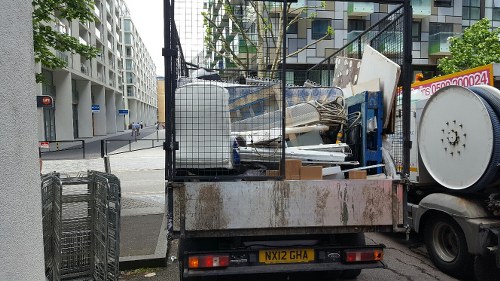
When you are ready to arrange garden clearance in Mottingham, the easiest next step is to ask for a quotation based on the space, the materials and the access available. A few clear details will usually provide enough context to understand the job properly. If there are photographs, they can help illustrate the amount of waste, but a written description is still valuable because it explains what matters most and which items should be taken away. The aim is to keep the enquiry simple, accurate and useful.
It also helps to note whether the clearance is focused on green waste alone or includes mixed outdoor items, because that changes the handling involved. If there are steps, narrow passages or items stored in a shed, mentioning those features at the same time can help avoid surprises. Useful enquiries are specific, not long: what needs removing, where it is, and anything that makes access more involved. From there, the job can be quoted sensibly and the work can be planned around the space as it really is.
For a straightforward start, send the details and ask for a quotation. If you want the area cleared so it is ready for tidying, replanting or simply easier day-to-day use, we can help with the removal and the practical disposal side of the job. Request your quotation today and we will keep the next step clear and manageable.